

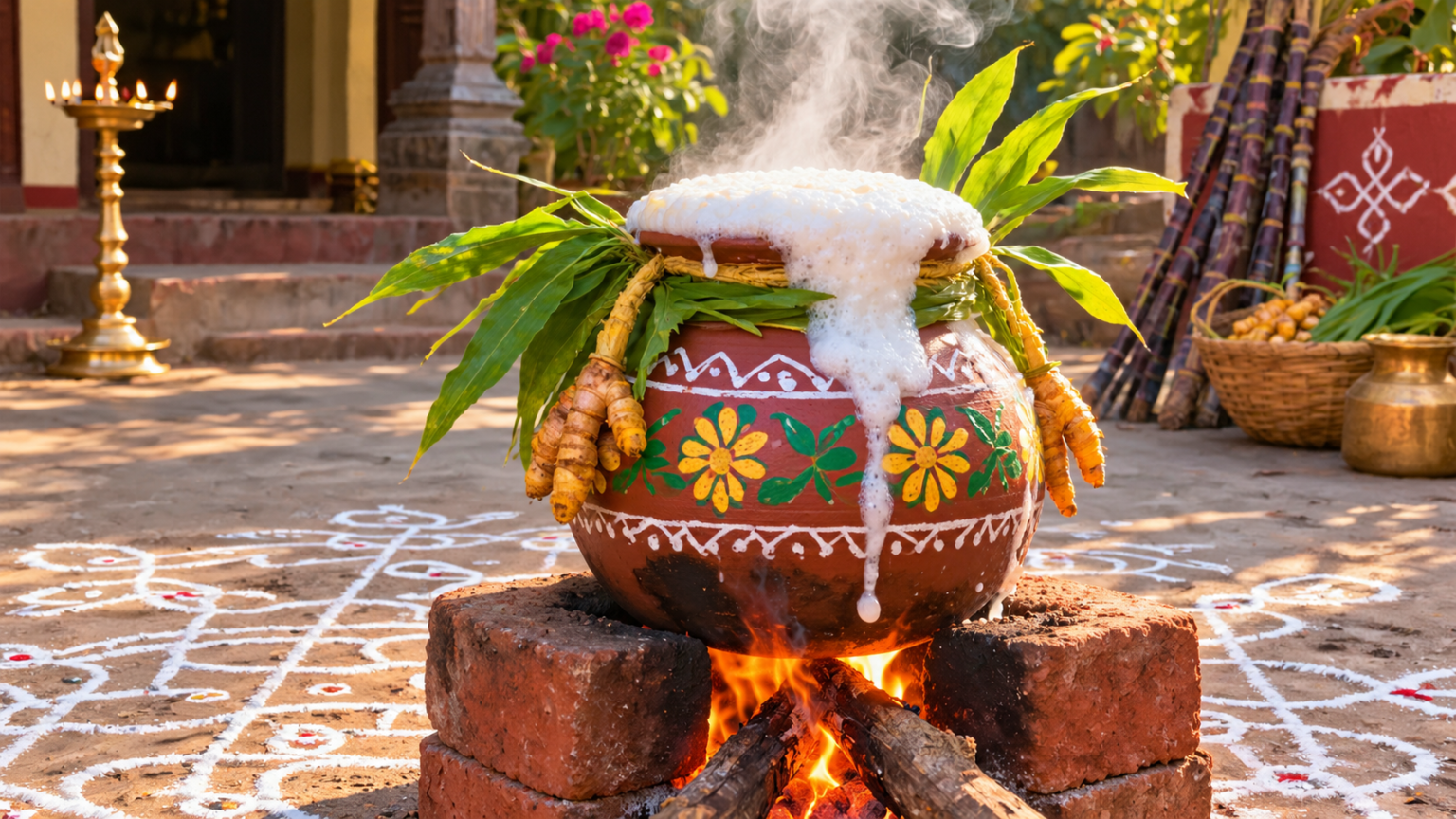
Pongal is the great four-day harvest feast of Tamil Nadu. Each January, farming homes thank the sun, rain, and farm cattle. In Madurai, this ancient feast joins with Jallikattu, a brave bull show.
This practical Pongal and Jallikattu guide gives verified dates, arena spots, and safety rules. Travelers need four days to enjoy the main events well. Specifically, the grand feast runs from January 14 to January 17, 2027.
Winter brings dry, sunny days with warm light and cool night air. Sardar train links and airport flights provide fast routes into town.
Confirmed 2027 Dates and Four-Day Festival Calendar
Tamil homes follow the solar calendar to set feast dates. Specifically, the feast starts on the last day of Margazhi. It welcomes the new month of Thai as the sun shifts north.
Day 1: Bhogi Pongal and Cleansing Bonfires (January 14)
Day one brings Bhogi Pongal on January 14, 2027. Families clean their homes and throw out old mats. In addition, they light dawn bonfires to burn worn wood, marking a fresh start.
Day 2: Thai Pongal and the Overflowing Clay Pot (January 15)
Day two brings Surya Pongal on January 15, 2027. This main feast honors the sun god Surya. Families set new clay pots on open brick stoves in courtyards. Then, they boil fresh rice, milk, and sweet jaggery until it spills over.
When sweet milk boils over the pot rim, families shout Pongalo Pongal. In fact, this joyful shout means may joy overflow. Locals share sweet rice with neighbors. Devout families offer warm bowls to the morning sun.
Day 3: Mattu Pongal and Cattle Worship (January 16)
Day three brings Mattu Pongal on January 16, 2027. Farmers wash their cattle and paint horns with bright colors. Also, they tie brass bells to their necks. Rural villages launch famous Jallikattu bull games on this day.
Day 4: Kaanum Pongal and Family Gatherings (January 17)
Day four ends with Kaanum Pongal on January 17, 2027. Families go on picnics, visit elders, and watch big arena games in Alanganallur. Young adults seek blessings from village elders to close the harvest season.
Top Cultural Sights and Experiences in Madurai
Alanganallur Arena: The World Capital of Jallikattu
Alanganallur sits sixteen kilometers north of town. Indeed, this village hosts the most famous Jallikattu event in the world. Thousands of fans gather along the village arena on Kaanum Pongal morning.
First, village youths stand on the sandy ground. Then, temple elders release fierce native bulls from a narrow chute called the vadivaasal. Brave young men try to hold the bull hump as it charges past.
Flyers and flags line the tall iron fences. In addition, state doctors check every animal to ensure good care. Foreign guests can watch the sport from safe raised stands set up by local police.
Soon, bulls dash out into the bright morning sun. The sand flies as players leap forward. Shouts and drumbeats fill the warm village air. In fact, the fastest tamers win gold coins, brass pots, and new bicycles.
Local tea stalls line the dusty street. Between rounds, crowds drink cups of hot milk tea. In addition, proud farmers lead their prize bulls home with flower garlands around their necks.
Palamedu and Avaniyapuram: Village Arena Traditions
Palamedu hosts its historic bull games on the dry bed of the Sathiyar River. On January 16, hundreds of native bulls charge across the sand. This Pongal and Jallikattu guide rates the rural setting as a top spot for folk sport.
Meanwhile, Avaniyapuram holds its traditional arena games right inside municipal limits. This opening event takes place on Mattu Pongal day. Local village groups manage the crowd, creating a warm community mood for guests.
Both village arenas enforce strict safety rules. For instance, tamers may only hold the hump for fifty meters. Touching horns or tails brings quick exit by sharp arena judges.
Crowds cheer loudly as top bulls dash past the finish line. In addition, folk pipers play cheerful tunes near the gate. Young boys climb trees to get a high view of the sand track.
Kalaignar Centenary Jallikattu Arena in Keelakarai
In 2024, the state opened the Kalaignar Centenary Jallikattu Arena in Keelakarai. This new stadium holds five thousand guests across three tiers. It features player rooms, medical care rooms, and press seats.
The new stadium provides clear views and wide stone steps. Moreover, high steel fences keep all guests safe from the sand track below. It runs alongside traditional village street arenas, offering an easy choice for families.
Buses run from Madurai bus stand straight to the stadium gate. Inside, clean food stalls sell fresh snacks, fruit cups, and bottled water. The open stadium roof lets in cool winter breezes during long daytime matches.
Tickets for the upper tier can be booked through state portals. As a result, guests skip long queues on hot festival mornings. Ushers guide travelers to shaded seats with clear sight lines.
Meenakshi Amman Temple: Towering Gopurams and Pongal Darshan
In the city center stands the ancient Meenakshi Sundareswarar Temple. This stone complex features fourteen towering gopuram gateway towers. During Pongal, priests drape deities in silk and offer sweet rice cooked in gold pots.
First, walk past sculpted stone pillars in the Thousand Pillar Hall. Then, pause beside the sacred Golden Lotus Tank. Morning visits at 6:00 AM allow calm walks before holiday crowds arrive at the east gate.
Meanwhile, devout pilgrims light oil lamps along stone halls. In addition, temple players blow the long horn and beat thavil drums. The sacred music creates a deep mood beneath high carved ceilings.

Also, look up at thousands of painted figures on the south tower. The bright colors glow in the early morning sun. Entry to the main temple is free. However, special darshan passes cost one hundred rupees.
Also, visitors must leave shoes at the shoe stand outside the gate. In addition, guards do not allow mobile phones inside inner halls. Small lockers near the door keep your bags safe during prayers.
Thirumalai Nayakkar Mahal: Stucco Pillars and Nayak Dynastic Splendor
Next, a short auto ride south leads to Thirumalai Nayakkar Mahal. King Thirumalai Nayak built this grand palace in 1636. The royal palace blends classic Tamil design with graceful stone arches.
The vast central court features huge round pillars rising twelve meters high. Furthermore, painted plaster art shows court dancers and floral vines. Visiting during early afternoon hours reveals soft golden light through open arches.
The palace museum displays old stone statues and palm leaf texts. In the evening, an open sound and light show tells the history of ancient Madurai. Entry tickets cost fifty rupees at the front desk.
Meanwhile, pigeons nest on the high cornices above the courtyard. Meanwhile, cool stone floors give relief from afternoon heat. Guests can capture grand views of tall pillars framing the central yard.
Vilachery Pottery Village: Earthen Pots and Painted Figurines
Vilachery village lies seven kilometers southwest of the city center. Generations of artisan potters work here in open street studios. Weeks before Pongal, families shape thousands of traditional clay pots by hand.
First, potters spin soft river clay on low wooden wheels. Next, they bake the pots in outdoor wood kilns. Finally, women paint white and yellow floral lines across the smooth clay surfaces for holiday kitchens.
Visitors can buy handcrafted pots and painted bull toys direct from family courts. Our Pongal and Jallikattu guide suggests buying pots here to help save ancient pottery arts. Small clay pots cost only forty rupees each.

Also, children shape tiny clay cows in sunny courtyards. In addition, visitors can sit at a wheel and try spinning clay. The quiet village lanes feel worlds away from the busy city streets.
Artisans pack pots carefully in dry straw for buyers. Thus, you can take home an authentic handmade pot as a travel keepsake.
East Masi Street Bazaar: Sugarcane, Turmeric, and Kolam Art
During festival week, East Masi Street turns into a vast outdoor market. Farmers haul tall bundles of fresh sugarcane from country fields. Shoppers crowd the lanes to buy fresh ginger roots, turmeric plants, and green banana leaves.
Pavement stalls sell bright dry powders for kolam floor art. Women draw geometric lines using white rice flour outside front doors. This folk art welcomes good luck and feeds tiny birds and ants.
Furthermore, market sellers shout daily prices with big smiles. Shoppers load auto rickshaws with green sugarcane and yellow marigold flowers. Walking this busy lane lets you feel the true joy of Tamil harvest week.
Sweet scents of crushed cane and fresh mint fill the street air. In addition, flower vendors string sweet jasmine blooms for temple goers. It makes a grand morning walk before visiting the arenas.
Understanding Eru Thazhuvuthal: Animal Welfare and Native Breeds
Jallikattu is rooted in Tamil culture as Eru Thazhuvuthal, meaning embracing the bull. Ancient Sangam poems praised the sport as a test of courage. Crucially, it saves hardy native cattle breeds like Kangayam and Pulikulam.
Farming homes raise prize bulls with great love and care. The bulls eat healthy diets of grain, dates, and fresh grass. This Pongal and Jallikattu guide shows how rural families love these bulls like dear household kin.
Furthermore, farmers train young bulls to swim in village tanks. This exercise builds strong legs and deep chest muscle. During the game, a bull that escapes untamed brings great honor to its home village.
In addition, prize bulls wear silk cloths on their backs and brass rings on their horns. When they return home, the entire village celebrates with sweets and drumbeats.
Gandhi Memorial Museum: Tamukkam Palace and Historic Relics
History buffs following our Pongal and Jallikattu guide should visit the Gandhi Memorial Museum. It occupies the seventeenth-century Tamukkam Palace, once a summer home of Nayak queens. Shady tree groves offer quiet paths.
Inside, the hall displays historic photos, old letters, and Mahatma Gandhi’s blood-stained cloth from 1948. The displays give deep facts on India’s freedom quest and southern history. Entry to the museum is free.
The museum park holds quiet benches under banyan trees. In addition, an open book shop sells texts on peace and local history. It makes an easy cultural stop between morning temple walks and afternoon arena trips.
Cool shaded walkways provide a peaceful break from busy town lanes. Visitors can pause to read Gandhi’s words on village self-reliance and peace.
Spectator Safety: Double Barricades and Tourist Viewing Enclosures
Above all, safety is vital when watching rural bull games. District police put up double steel fences along the entire running lane. Furthermore, officers deploy across roads to control crowds around village gates.
Therefore, foreign guests should get tourist gallery passes from the Madurai District Administration. These raised wooden decks keep guests safe above the running path. They also offer clear photo angles.
Always stay behind iron fences and follow police signs. In addition, drink plenty of water. Wear a wide hat to shield your skin from the midday sun. Local aid camps provide quick care if you need help.
Never stand near the bull exit area or attempt to cross the sand track. Respect the rules of the arena so that everyone stays safe and happy.
Traditional Harvest Feasts: Sakkarai Pongal to Madurai Jigarthanda
No festival trip is complete without tasting classic South Indian harvest dishes. Families cook two styles of Pongal. First, Sakkarai Pongal blends boiled rice, yellow lentils, brown jaggery, ghee, and cashew nuts.
In contrast, savory Ven Pongal mixes soft rice and lentils with black pepper, fresh ginger, and cumin seeds. Pair your meal with crisp lentil donuts and coconut dip. In town, drink famous cold Madurai Jigarthanda made with almond gum and chilled sweet milk.
Getting to Madurai: Flights, Trains, and Arena Shuttles
Getting to Madurai is easy by air, train, or road. Madurai Airport connects daily to major hubs like Chennai, Bengaluru, and Colombo. From Madurai Junction, auto rickshaws reach the central temple area within ten minutes.
Travelers arriving via Chennai can spend a day at Marina Beach in Chennai before boarding express trains south. Also, pair your trip with a drive to Arichal Munai sunset point. Then, take a cool mountain trip to Ooty visiting places.
Where to Stay in Madurai: Heritage Resorts to Central Bases
Picking a central base makes early morning arena trips simple. Our Pongal and Jallikattu guide suggests staying near the temple core. Also, choose the bypass road for fast highway access.
For heritage luxury, book Heritage Madurai, set among banyan trees with classic stone courts. For modern comfort near the rail station, choose Courtyard by Marriott Madurai. Budget inns line West Perumal Maistry Street near the train station.
Estimated Travel Costs and Itemized Daily Budget
Traveling in Tamil Nadu gives great value for independent guests. This Pongal and Jallikattu guide shows that visitors can enjoy festival days on modest funds. Below is a clear view of daily costs across three travel styles.
| Expense Category | Budget Backpacker (INR / USD) | Mid-Range Explorer (INR / USD) | Luxury Heritage (INR / USD)
|
|---|---|---|---|
| Accommodation (Per Night) | ₹800–1,500 ($10–18 USD) (West Perumal Maistry guesthouse) | ₹3,500–6,500 ($42–78 USD) (Central 3-star city hotel) | ₹12,000–22,000 ($145–265 USD) (Heritage resort with banyan courts) |
| Daily Meals & Traditional Food | ₹350–600 ($4–7 USD) (Street Ven Pongal, vada, thali) | ₹1,000–1,800 ($12–22 USD) (Traditional mess & courtyard cafes) | ₹2,800–5,000 ($34–60 USD) (Fine dining South Indian thalis) |
| Local Transportation & Shuttles | ₹200–400 ($2–5 USD) (Shared autos & local buses) | ₹800–1,500 ($10–18 USD) (Private auto-rickshaw hire) | ₹2,500–4,500 ($30–54 USD) (Chauffeur-driven AC car hire) |
| Sightseeing, Passes & Temple Entry | ₹100–250 ($1–3 USD) (Free temple entry & palace pass) | ₹500–1,200 ($6–14 USD) (Special darshan & museum tickets) | ₹2,000–4,000 ($24–48 USD) (Private temple guide & photo permits) |
| Estimated Daily Total | ₹1,450–2,750 ($17–33 USD) | ₹5,800–11,000 ($70–132 USD) | ₹19,300–35,500 ($233–427 USD) |
Prices checked on 08 October 2026. Local currency conversions calculated at 83 INR per USD.
Recommended 4-Day Festival Itinerary
This four-day plan balances sacred temple visits, village pottery craft, and thrilling arena games. Follow this tested route for a smooth cultural journey through Madurai.
| Day & Time | Primary Location | Key Highlights & Cultural Activity
|
|---|---|---|
| Day 1: Morning & Afternoon | Central Madurai & Vilachery | Arrive in Madurai; tour Vilachery pottery workshops to watch artisans mold traditional clay cooking pots; explore East Masi Street sugarcane bazaars. |
| Day 1: Evening | Bhogi Bonfires & Palace | Witness dawn Bhogi cleansing bonfires across neighborhood streets; tour Thirumalai Nayakkar Mahal courtyard and enjoy the evening heritage sound show. |
| Day 2: Early Morning | Meenakshi Amman Temple | Attend 6:00 AM dawn darshan at Meenakshi Temple; witness sacred Pongal boiling rites and listen to nagaswaram horn music in stone corridors. |
| Day 2: Afternoon & Evening | Old City Pols & Courtyards | Watch families prepare sweet Sakkarai Pongal in courtyards; admire rice flour kolam art outside heritage townhomes; sample cold Madurai Jigarthanda. |
| Day 3: All Day | Palamedu & Avaniyapuram | Travel early to Palamedu or Avaniyapuram to watch traditional Mattu Pongal bull-embracing games from safe elevated tourist galleries behind double barricades. |
| Day 4: Morning & Afternoon | Alanganallur Jallikattu Arena | Witness the world-famous Alanganallur Jallikattu spectacle; watch prize native Kangayam bulls charge through the vadivaasal into the sandy arena. |
| Day 4: Evening | Gandhi Museum & Farewell | Visit the historic Gandhi Memorial Museum in Tamukkam Palace; stroll peaceful banyan garden paths before onward travel. |
Frequently Asked Questions About Visiting Madurai
Here are direct answers to common questions about this Pongal and Jallikattu guide.
When does the festival take place in 2027?
Pongal and Jallikattu festivities run from January 14 to January 17, 2027. Main harvest rituals occur on Thai Pongal on January 15, followed by premier bull games in Palamedu on January 16 and Alanganallur on January 17.
Do visitors need tickets to enter Jallikattu arenas?
General roadside viewing is free, but spaces fill before dawn. Foreign tourists can secure reserved gallery passes through the tourism department or district administration offices in Madurai.
Is it safe for tourists to watch Jallikattu in person?
Yes, when watching from designated elevated galleries behind double barricades. Never attempt to step onto the active arena floor or stand near the vadivaasal bull release gate.
What traditional dishes should travelers try during Pongal?
You must taste sweet Sakkarai Pongal made with fresh jaggery and ghee. Also, enjoy savory Ven Pongal with coconut chutney, alongside Madurai’s famous sweet iced Jigarthanda drink.
Safety Essentials, Temple Etiquette, and Responsible Travel
Wear modest cotton clothes and sturdy shoes during temple and arena walks. Men must wear long trousers or traditional veshti. In addition, women should wear modest dresses covering shoulders and knees inside Meenakshi Temple.
Check official schedules on Tamil Nadu Tourism and general travel alerts on Incredible India. Keep your distance from loose animals and drink lots of water in the sun.
Celebrate Tamil heritage with care, respect local farming customs, and help preserve the living traditions of southern India.


