


Planning a trip to Bangladesh’s only coral island requires verified transport facts. It also requires clear environmental rules. Therefore, this comprehensive Saint Martin Bangladesh guide delivers exact schedules and genuine local advice. In fact, travelers can easily explore turquoise waters and coral beaches with confidence.
Before you begin packing, note these essential destination facts:
- Local Names: Narikel Jinjira (Chain of Coconuts) and Daruchini Dwip (Cinnamon Island).
- Geographical Position: Southernmost union of Bangladesh, 120 km south of Cox’s Bazar.
- Offshore Distance: 9 km (5 nautical miles) off the Teknaf coastline in the Bay of Bengal.
- Official Travel Season: November through January (November day-trips only; December and January permit overnight stays).
- Daily Visitor Quota: Exactly 2,000 registered travelers per day with mandatory QR travel passes.
- Primary Departure Port: Cox’s Bazar BIWTA Nuniachhara Jetty at 07:00 AM.
Introduction to Narikel Jinjira and Daruchini Dwip
Saint Martin Island is known locally as Narikel Jinjira. In fact, it is the only coral island in Bangladesh. Geographically, it forms the southernmost union of the entire country. The island sits 120 kilometers away from Cox’s Bazar city. In addition, it lies nine kilometers from the Teknaf coastline.
Today, about 8,000 residents live on the island. Most local families earn their living primarily from fishing. The Bengali name Narikel Jinjira translates directly to the chain of coconuts. Truly, the island earned this name by producing sweet coconuts in massive numbers.
Locals also call this land Daruchini Dwip, or Cinnamon Island. According to local claims, an Arabian merchant ship once crashed against a large reef rock. Consequently, sacks of fragrant cinnamon washed ashore across the entire island. Thus, the island gained its famous coastal nickname.

Saint Martin ranks among the most popular holiday spots in Bangladesh. However, the government strictly limits public travel to the winter season. In past years, passenger ships operated from November through March. During other months, travelers risked dangerous trips on open sea trawlers or speedboats.
Today, authorities enforce strict ecological protection rules across the marine sanctuary. In fact, tourism is permitted only from November to January. November allows day trips only. In contrast, December and January permit overnight cottage stays. Furthermore, entry is capped at 2,000 visitors daily with digital QR passes.
Top 8 Places You Should Never Miss in Saint Martin
Every corner of this coral island offers distinct coastal beauty. In fact, exploring each zone reveals authentic maritime village life. Next, let us review the top eight sights across the island.
1. North Beach (Uttar Para)
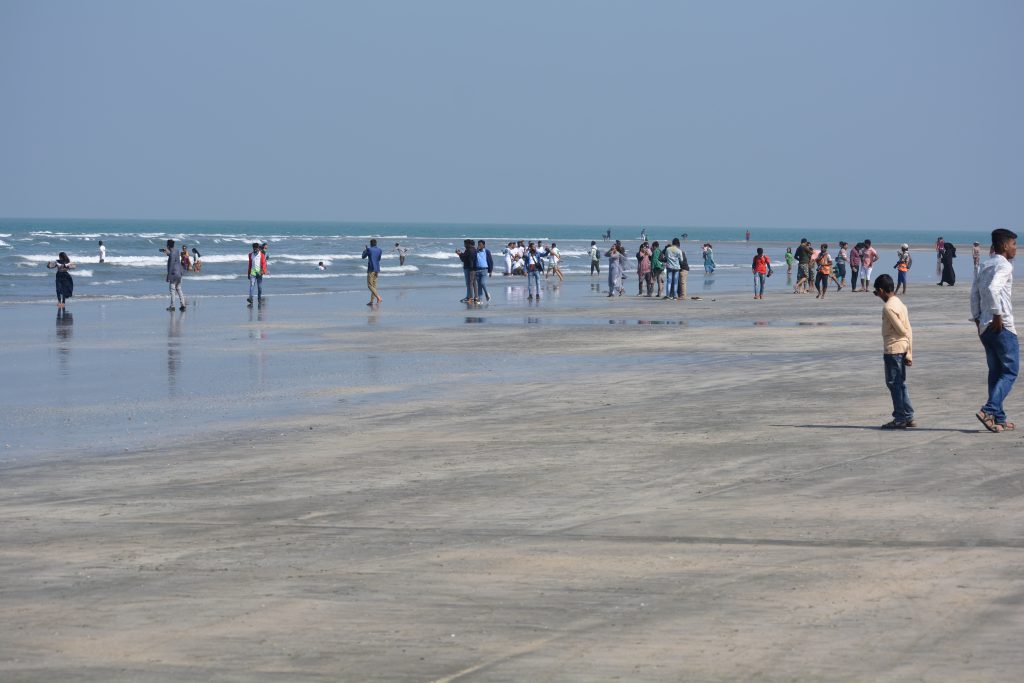
North Beach is the polar beach on Saint Martin Island. When you leave the ship at the jetty and walk toward the village, turn right. This wide shore is North Beach. Please note that it is not the immediate busy shore beside the concrete jetty.
Most day-trip visitors who return to Cox’s Bazar on the afternoon ship gather here. Notably, this northern shore produces the most powerful crashing waves during high tide. For this reason, it is also the riskiest beach for ocean swimming.
A dangerous rip current zone flows around the eastern corner. Therefore, local coast guards place red flags and danger signs near the water. Always observe these warning flags carefully before stepping into the sea. Still, walking along the sandbank offers wonderful sea air.
2. West Beach of Saint Martin Bangladesh
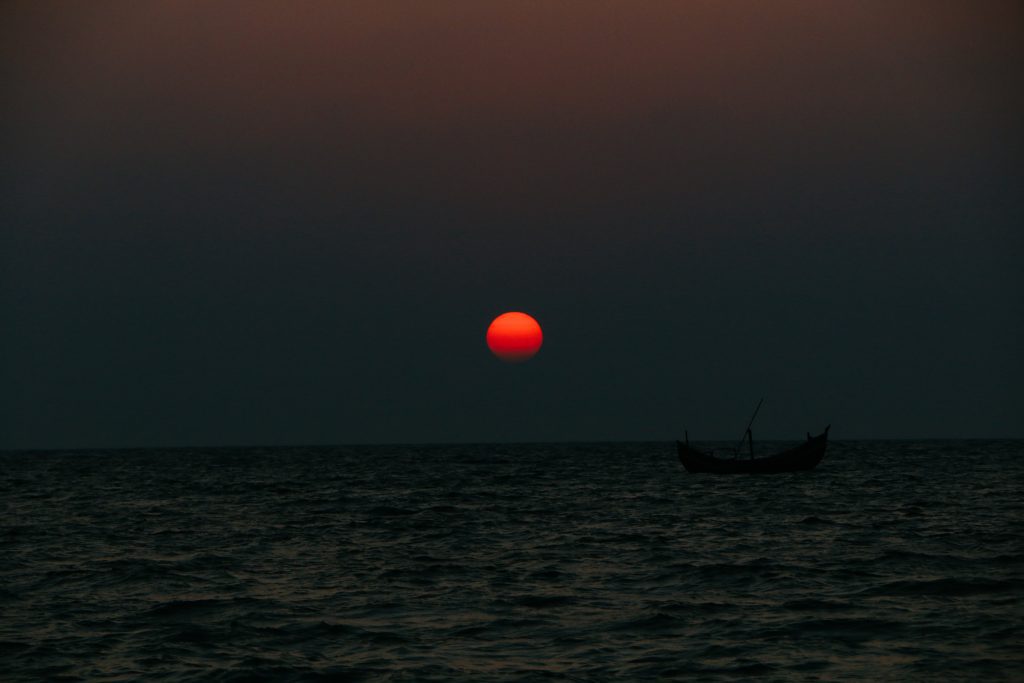
West Beach stretches across the western coast of the island. Undeniably, this beach ranks among the most popular gathering spots in Bangladesh. Tourists usually gather on its soft sands during late afternoon. Indeed, travelers love watching the golden sun sink into the Bay of Bengal.
One primary reason for its popularity is the lively beach market. In fact, West Beach is the only shore on the island with a beach market. Visitors discover numerous food stalls serving hot tea and fresh snacks.
In addition, small wooden carts sell fresh fried seafood and handcrafted items. Furthermore, shoppers can browse colorful Burmese fabrics and cosmetics. Therefore, West Beach is ideal for families wanting to relax and dine.
3. Somudro Bilash Cottage
Somudro Bilash is a historic coastal rest house on West Beach. The cottage was owned by the late celebrated fiction writer and director Dr. Humayun Ahmed. Historically, it stood as the costliest private cottage on the entire island.
The cottage gained fame because Dr. Humayun Ahmed directed the movie Daruchini Dwip here. During production, he hosted his cast and film crew at this seaside retreat. Consequently, almost every Bangladeshi tourist visits West Beach to view this famous home.
Although visitors cannot enter without a room booking, you can still take pictures outside the gate. Undeniably, this famous landmark helped make West Beach widely popular across Bangladesh.

4. Saint Martin Island Campsites
Saint Martin is truly a paradise for outdoor camping enthusiasts. On the island, visitors can pitch tents in two scenic spots. First, the West Beach campsite sits near the water. It provides a peaceful atmosphere where guests sleep to the sound of breaking waves.
Second, travelers can stay at the Hindol Campsite on East Beach. Both camping areas offer quiet retreats beneath leaning coconut palms. Furthermore, campers enjoy clear night skies and gentle sea breezes away from noisy generator zones.
5. Agontuk Beach
Agontuk is a Bengali word that translates directly to stranger. Truly, this secluded beach completely justifies its unusual name. It offers some of the finest untouched coastal views on the entire island. Yet, almost no regular tourists know this hidden shore exists.
Only passionate travelers who research carefully ever find its quiet sands. Geographically, Agontuk Beach sits along the southern end of West Beach. It is a sandy beach that preserves the highest concentration of living corals on the island.
Walking there on foot through soft sand dunes takes significant effort. Therefore, smart travelers hire a local cycle rickshaw or touring bicycle to reach this quiet paradise.
6. Cinnamon Lake
Cinnamon Lake sits very close to Agontuk Beach in the interior basin. Locally known as Daruchini Lake, it forms the largest surface freshwater source on Saint Martin. Although it appears as a simple pastoral pond, it holds great importance for islanders.
In fact, this natural reservoir supplies vital fresh water for local village life. Travelers often pause beside this historic freshwater lake while exploring southern coral trails.
7. Pebble Stone Zone
The Pebble Stone Zone sits on the rugged southwest corner of the island. Here, visitors discover the largest natural coral rocks on Saint Martin. Massive fossilized coral boulders create a dramatic boundary along the coastline.
In addition, dense thickets of local Keora trees grow along the stony shore. These native screwpine bushes provide a highly photogenic setting for coastal photography. As a result, landscape photographers consider this zone a highlight of any Saint Martin Bangladesh guide.
8. Chera Dwip (The Final Frontier)
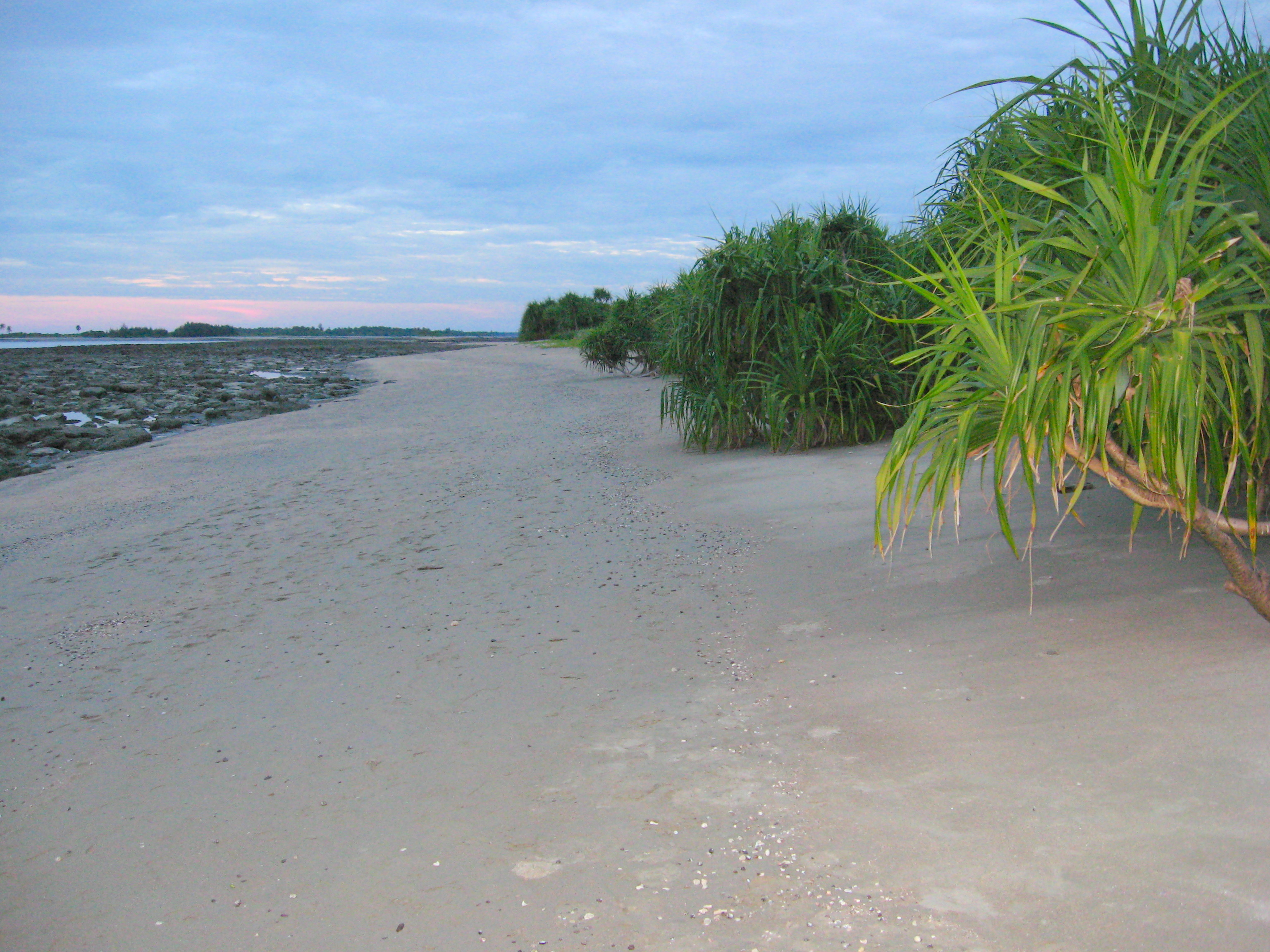
The Bengali word Chera translates directly to torn or detached. As the name suggests, people call it Chera Dwip because high tides submerge the connecting causeway. However, travelers can easily walk across the exposed coral shelf during low tide.
Chera Dwip remains the most celebrated natural attraction on the island. In fact, it marks the southernmost land point of Bangladesh, known as the Final Frontier. What makes this isolated islet even more special is its remarkable lone inhabitant.
Only one resident lives on Chera Dwip year-round without electricity. This lone resident prepares sun-dried fish and sells them at the main market on Saint Martin. In addition, the resident operates a small bamboo shed serving hot lunches to visiting tourists.
Expeditions to Chera Dwip: Routes and Practical Trail Advice
Travelers can reach Chera Dwip using three distinct methods: by boat, by bicycle, or on foot. Each transport option offers a different experience for visitors.
First, local wooden fishing boats take travelers to the Chera Dwip Boat Ghat. Upon arrival, passengers step into shallow water and wade ashore. This boat option is ideal for families, children, and elderly travelers.
In contrast, energetic travelers often attempt to walk or ride a bicycle. However, riding a bicycle on soft coastal sand is an extremely difficult task. Unless you are used to rough rural cycling, you will tire out quickly.
Likewise, walking the entire distance on foot requires substantial stamina. In addition, the trek covers a long route under intense tropical heat. Therefore, casual walkers should avoid walking the full distance under the midday sun.
Additionally, careful packing is vital before departing for Chera Dwip. Previously, travelers were advised to buy large plastic water bottles. Today, authorities strictly ban single-use plastic bottles on the island. Consequently, you must carry fresh drinking water in a refillable stainless steel flask.
Furthermore, applying sun cream is mandatory under the strong tropical sun. Always wear a wide-brim hat, sunglasses, and water shoes to avoid coral cuts.
How to Go to Saint Martin Island
Historically, travelers used three gateways to reach the coral island: Teknaf, Cox’s Bazar, and Chittagong. In past decades, the river route from Teknaf was considered the most scenic route. Ships traveled down the Naf River between forested hills along the Myanmar border.
However, authorities have suspended tourist ferry departures from Teknaf for regional border river security. As a result, all primary passenger cruises now depart directly from Cox’s Bazar. Travelers can easily plan their journey from major transit hubs:
Traveling from Dhaka
Travelers leaving Dhaka can choose from numerous reputable highway bus operators. Comfortable AC coaches depart daily from Sayedabad and Arambagh bus terminals. You can book Dhaka to Cox’s Bazar express bus and flight tickets online easily.
After arriving in Cox’s Bazar, head directly to the BIWTA Nuniachhara Jetty. Approved passenger ships depart promptly at 07:00 AM. In general, the open-sea crossing takes five to six hours. Always book your vessel tickets and digital QR travel passes in advance.
Traveling from Chittagong
Travelers based in Chittagong have two practical travel choices. First, you can take a morning express coach to Cox’s Bazar and board at Nuniachhara Jetty. Second, specialized cruise liners operate from Chittagong during peak winter months.
These sea cruises depart weekly from the Patenga Water Bus Terminal. Because weekly departures fill quickly, reserve your cabin tickets well in advance. Following this Saint Martin Bangladesh guide ensures a smooth sea voyage.
If you are planning a broader journey through Bangladesh, consult our helpful regional guides. For instance, our Sreemangal travel guide details peaceful tea plantation walks. Also, our Bandarban travel guide covers mountain trekking routes.
Where to Stay: Eco-Resorts, Cottages, and Island Dining
Finding suitable lodging on Saint Martin Island is simple. In fact, the island features hundreds of friendly resorts, beachfront cottages, and three-star hotels. You can review available Cox’s Bazar and Saint Martin Island beach resorts before traveling.
Specifically, accommodations range from rustic village bamboo cottages to modern stone resorts. Most guests prefer West Beach for its stunning sunsets. In contrast, East Beach offers quieter sunrises near the village pier.
Meanwhile, dining across the island is a highlight for seafood lovers. Most local restaurants do not employ certified executive chefs. However, talented local cooks prepare delicious fresh seafood every day. Visitors can savor grilled koral fish, fried rupchanda pomfret, and fresh crabs.
To find the cleanest kitchens, ask your hotel manager for personal recommendations. Local hosts will happily guide you toward trusted family-run eateries.
What to Expect: Remote Island Life and Practical Advice
Because Saint Martin is a remote offshore island, public utilities differ from the mainland. Specifically, cargo boats bring fresh groceries and packaged goods only a few times each week. Consequently, product sourcing costs are slightly higher on the island.
For this reason, packaged snacks and fresh meals cost slightly more than in mainland cities. Please do not feel surprised by these small price differences. Transporting supplies across open sea requires extra labor and expense.
To ensure a pleasant trip, follow these essential practical tips:
- Sun Protection: Apply high-SPF sunscreen regularly while outdoors. Also, wear a protective sun hat and sunglasses.
- Personal Health: Pack essential prescription medicines, rehydration salts, and reliable mosquito repellent.
- Emergency Contacts: Save official contact numbers for the local Tourist Police and Coast Guard in your phone.
- Cash Reserves: Bring adequate paper currency in Bangladeshi Taka, because island ATMs frequently run out of cash.
Protect Saint Martin’s Corals and Environment
The unique beauty of Saint Martin Island depends on its delicate coral reef foundation. In fact, living coral reefs prevent coastal erosion and shelter diverse marine creatures. Damaging or removing corals destroys this fragile ocean ecosystem.
Therefore, national laws strictly forbid collecting or breaking any coral specimens. As responsible travelers, we must help protect this natural wonder for future generations. Always leave corals untouched on the sea floor. Take only photos, and leave only footprints behind.
Furthermore, please help keep the island clean by throwing all rubbish into proper bins. Official rules from the Ministry of Environment official portal ban plastics, music, and beach bonfires.
These strict conservation rules protect endangered olive ridley sea turtles nesting on southern beaches. For updated national travel advisories, consult the Bangladesh Tourism Board official portal. Relying on this verified Saint Martin Bangladesh guide keeps your travel lawful and respectful.
Estimated Daily Travel Budget and Cost Breakdown
Planning your expenses ensures an enjoyable holiday. Below is a realistic daily budget breakdown for this Saint Martin Bangladesh guide.
Travel Tier | Accommodation (Per Night) | Meals & Fresh Coconut | Transport & Local Transfers | Permits & Incidentals | Total Daily Cost
|
|---|---|---|---|---|---|
Backpacker | BDT 1,200–2,000 (10.00–16.70) in shared village eco-cottage | BDT 600–900 (5.00–7.50) for local rice, lentils, and fried fish | BDT 400–600 (3.30–5.00) for shared bicycle hire or walking | BDT 300–500 (2.50–4.20) for filtered water refills and port fees | BDT 2,500–4,000 (20.80–33.40) |
Mid-Range | BDT 3,500–6,500 (29.30–54.40) in private cottage with generator | BDT 1,200–2,000 (10.00–16.70) for fresh pomfret and lobster dinners | BDT 800–1,500 (6.70–12.50) for chartered eco-van and boat transfer | BDT 500–1,000 (4.20–8.40) for digital pass processing and tea | BDT 6,000–11,000 (50.20–92.00) |
Eco-Resort | BDT 8,000–15,000 (67.00–125.50) in premium beachfront bungalow | BDT 2,500–4,500 (20.90–37.60) for dining at resort terraces | BDT 2,000–3,500 (16.70–29.30) for private guided walking and boat tours | BDT 1,000–2,000 (8.40–16.70) for port handling and eco-surcharges | BDT 13,500–25,000 (113.00–209.10) |
Complete 2-Day Saint Martin Island Itinerary
This structured 48-hour plan helps you explore every major sight efficiently.
Day & Time | Activity & Location | Travel Logistics & Practical Directions | Practical Tips & Advisories
|
|---|---|---|---|
Day 1: 06:15 AM | Arrival at Cox’s Bazar Nuniachhara Jetty | Take an early auto-rickshaw from Kolatoli beach hotel zone to BIWTA Ghat | Present your digital QR travel pass and ship ticket for barcode scanning |
Day 1: 07:00 AM | Vessel departure across the Bay of Bengal | Embark on your licensed passenger ship for the open sea voyage south | Pack motion sickness tablets and carry a refillable stainless steel flask |
Day 1: 01:00 PM | Arrival at Saint Martin Island Main Jetty | Disembark and walk along the pier toward the main village path | Avoid unmetered porters and carry small paper cash for local transfers |
Day 1: 02:30 PM | Check-in and North Beach exploration | Settle into your booked cottage and stroll along the northern sandbank | Observe high-tide wave breaks and heed red hazard flags near coral shelves |
Day 1: 04:30 PM | Heritage walk to Somudro Bilash | Walk south toward West Beach past Dr. Humayun Ahmed’s coastal sanctuary | Respect private property gates and take photos from the designated exterior path |
Day 1: 05:45 PM | West Beach sunset and evening market | Relax on sandy shores before browsing the lively evening market stalls | Sample roasted corn cobs and fresh fried fish while avoiding plastic wrappers |
Day 1: 08:30 PM | Stargazing and coastal quiet hours | Retreat to your beachfront cottage porch away from bright artificial lights | Observe dark-beach regulations protecting nesting olive ridley sea turtles |
Day 2: 06:00 AM | Low-tide walking expedition to Chera Dwip | Trek south through the Pebble Stone Zone during receding morning tide | Wear thick-soled water shoes to avoid cuts from fossilized coral boulders |
Day 2: 08:30 AM | Exploring Chera Dwip coral frontier | Explore tide pools and view the lone fisherman’s dried fish shed | Do not stand on fragile corals and prepare for the return trek before high tide |
Day 2: 11:30 AM | Cinnamon Lake survey and village lunch | Walk back past Agontuk Beach and view the freshwater lake basin | Dine on rice and fresh pomfret at a trusted family-run village eatery |
Day 2: 02:00 PM | Return embarkation at Main Jetty | Arrive at the BIWTA jetty pier for return boarding ticket checks | Confirm your vessel name and board forty-five minutes prior to departure horn |
Day 2: 03:00 PM | Departure voyage to Cox’s Bazar | Cruise north along open waters with evening arrival in Cox’s Bazar | Watch for playful river dolphins near the Naf River estuary before dusk |
Frequently Asked Questions About Saint Martin Island
Here are clear answers to common questions about this Saint Martin Bangladesh guide:
Can I visit Saint Martin Island during the summer monsoon?
No, passenger ferries do not operate during the rough summer monsoon. During those months, the Bay of Bengal experiences dangerous storms, and tourist speedboats are strictly banned.
Are single-use plastic water bottles allowed on the island?
No, environmental officials enforce a total ban on disposable plastic bottles. Visitors must carry reusable flasks and use verified freshwater refill points.
How long does the passenger ship take from Cox’s Bazar?
The cruise from Cox’s Bazar Nuniachhara Jetty takes five to six hours across the Bay of Bengal. Ships depart at 07:00 AM and arrive around 01:00 PM.
Can travelers collect coral stones as souvenirs from the beach?
No, removing coral stones or seashells is strictly prohibited by law. Environmental officers issue steep fines to anyone taking marine specimens.


